
Compassion and Illusion
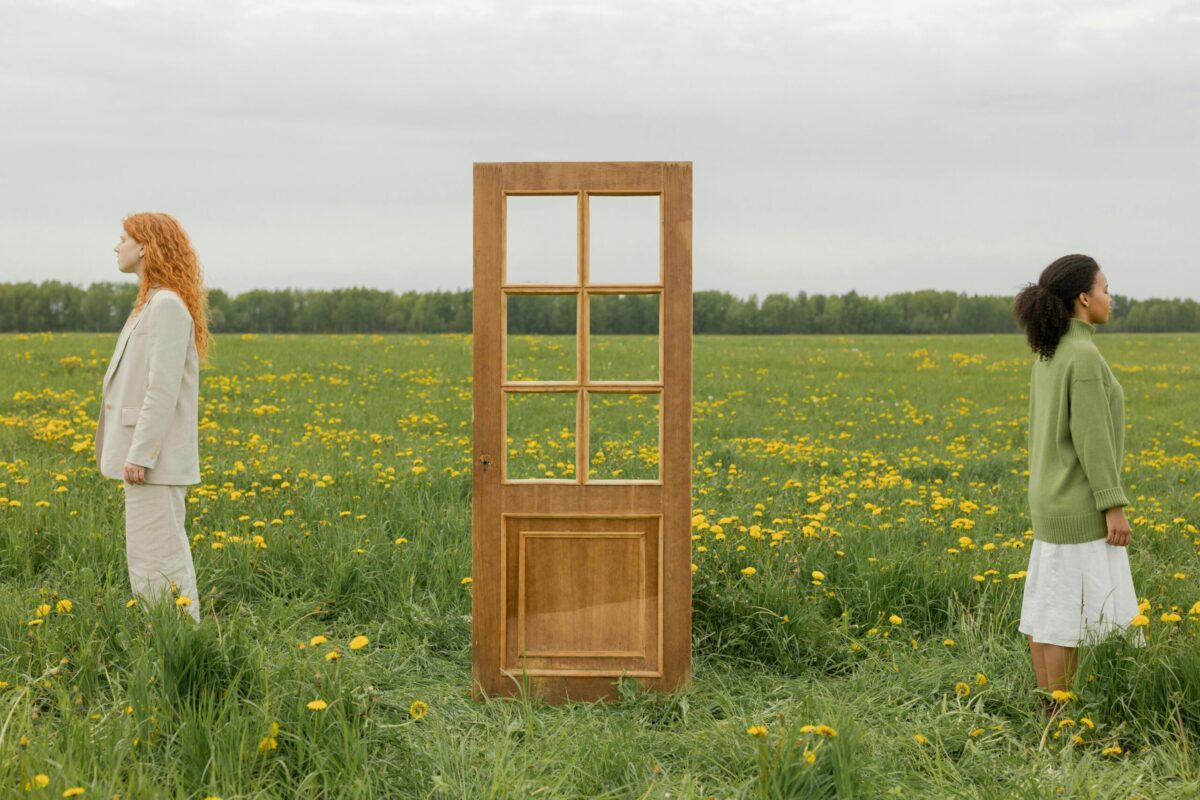
Are all the boundaries we perceive between ourselves and others an illusion?
Compassion is more than kindness or sympathy; it is the ability to recognize the deep connections that exist between us and others. At its truest level, compassion invites us to question the boundaries we believe separate us from one another. What if those divisions, emotional, psychological, even moral, are not as solid as they appear? True compassion suggests that many of these boundaries are, in fact, illusions shaped by fear, conditioning, and lived experience. You can read more about compassion here.
When we first begin practicing compassion and empathy, this deeper understanding can feel out of reach. We may intellectually grasp the concept yet struggle to embody it when emotions run high or conflict arises. That is okay. Compassion, like any skill, develops gradually. If we begin where we are, with willingness and curiosity, we can trust that understanding will unfold over time. Each moment of awareness brings us closer to recognizing our shared humanity.
Our capacity for compassion grows most in the presence of difficulty. We practice it in small, everyday moments: when a loved one is short-tempered, when a stranger behaves rudely, or when someone cuts us off in traffic. In these instances, we soften our reaction by remembering how it feels to be overwhelmed or stressed. We extend forgiveness not by excusing behavior, but by seeking to understand another’s perspective. These seemingly minor acts build the foundation for deeper empathy.
. Here is a great resource for practicing mindfulness.
Yet compassion becomes far more challenging when we encounter behavior that feels hurtful, unjust, or impossible to understand. These moments call us inward. They invite us to examine parts of ourselves we may have denied, repressed, or labeled as unacceptable; often because society taught us they were wrong or undesirable. It is here, in the discomfort, that the real potential for growth begins. Explore the self-compassion community.
When we shine a light on what we have disowned within ourselves, we take responsibility for our inner world rather than projecting it outward. This self-honesty creates an opportunity for transformation. While cultivating compassion in such moments can feel like a tall order, life does not ask it of us until we are ready. Each challenging interaction becomes an invitation to grow, to heal, and to connect more deeply. Not just with others, but with ourselves.
As we move forward, we are encouraged to draw upon all of our life experiences. Every hardship, lesson, and moment of self-reflection. These experiences become the soil from which compassion grows. When we allow them to guide us, they lead us toward connection from heart to heart, dissolving illusions of separation and reminding us that understanding begins within.


